- Services
- Cleaning & Restoration
When Normal Cleaning Is Not Enough: Specialized Cleaning
Fire soot, tar, cement haze, rust, or growth: For stubborn and demanding contamination, we use specialized processes—gentle on the substrate and tailored to the surface.
- Five Typical Damage Patterns from a Single Source
- Hot Steam Technology & JOS Blasting Process
- Gentle on the Building Fabric
What It’s About
Not All Contamination Is the Same.
Some contamination cannot be removed with standard cleaning—either because it has penetrated deep into the substrate or because the substrate reacts sensitively. For such cases, we offer targeted specialized cleaning that selects the appropriate process after analyzing the property.
The goal is always the same: to effectively remove the contamination without damaging the building fabric—and to restore the appearance without visible transitions.
Applications
What We Treat.
Five typical damage patterns for which we use specialized cleaning processes.
Fire Damage
Removal of soot, smoke deposits, and fire residues on facades and building components after fire incidents.
Tar Stains
Removal of tar and bitumen contamination—for example, on traffic structures and infrastructure surfaces.
Cement Haze
Removal of cement and mortar haze after construction or renovation work, without attacking the substrate.
Rust
Removal of rust stains and corrosion traces on mineral surfaces and facades.
Growth & Algae
Removal of algae, moss, and biological growth—for a clean, value-preserving appearance.
Your Case Is Not Listed?
Describe the contamination to us—after an analysis, we will recommend the appropriate process.
Our Processes
Two Processes, Strategically Deployed.
Which process is used depends on the contamination and substrate—often in combination.
1
Hot Steam Technology
With hot steam, many contaminants dissolve through temperature and pressure alone—often without chemicals or with greatly reduced chemical use. Particularly suitable for organic residues and growth.
- Low-chemical to chemical-free possible
- Gentle on many substrates
- Effective against growth, soot, and grease
2
JOS Blasting Process
A low-pressure vortex blasting process that applies fine abrasive media with water and low pressure in a rotating motion. It removes stubborn contamination gently on the substrate—even on sensitive and historic surfaces.
- Low pressure—protects the substrate
- For sensitive & heritage-protected surfaces
- Effective against tar, cement haze & rust
From Practice
Current Projects and References
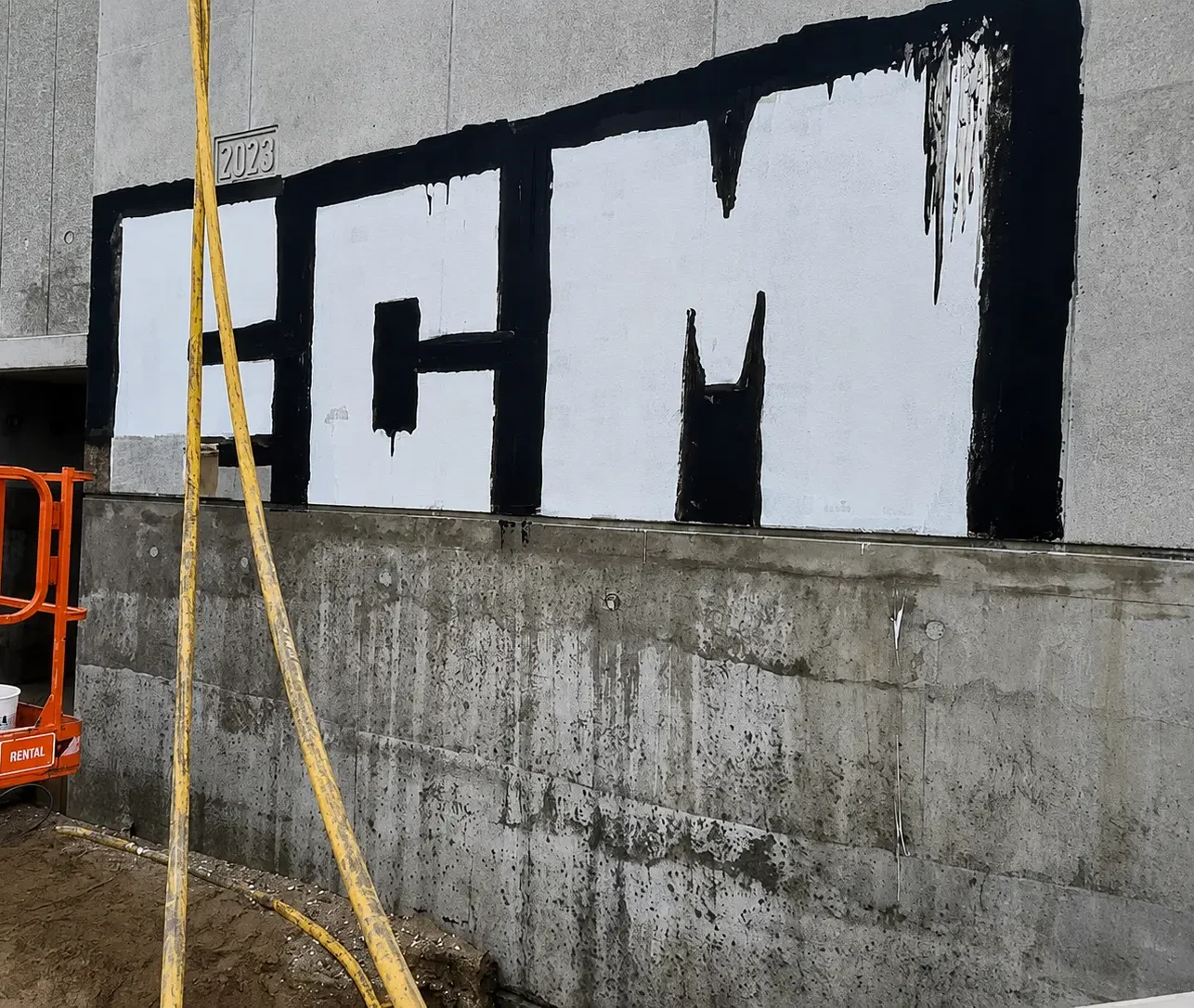
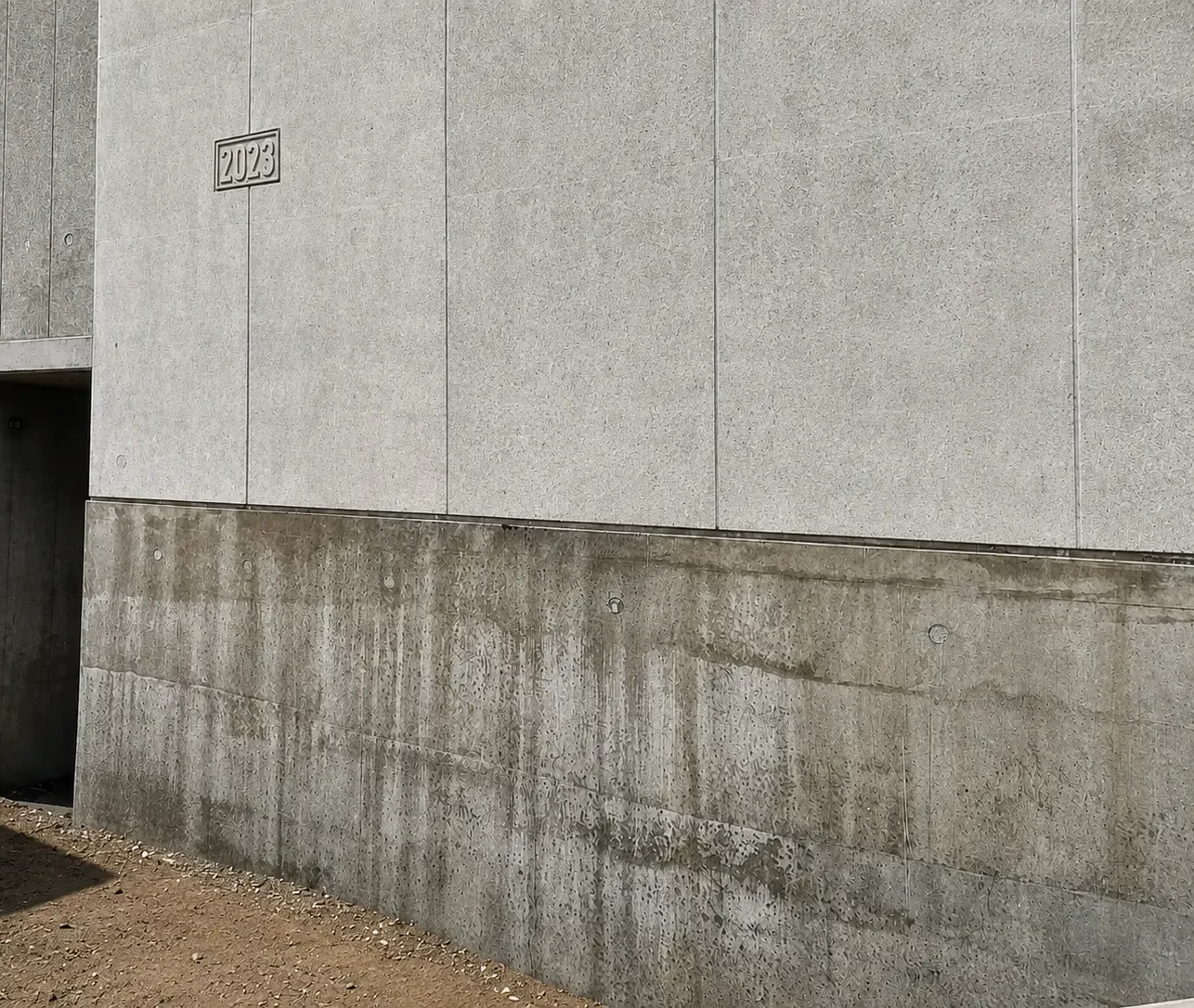
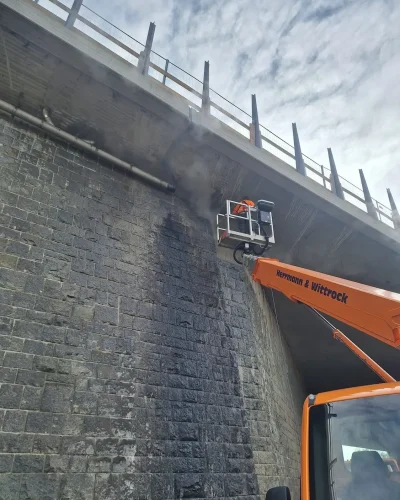
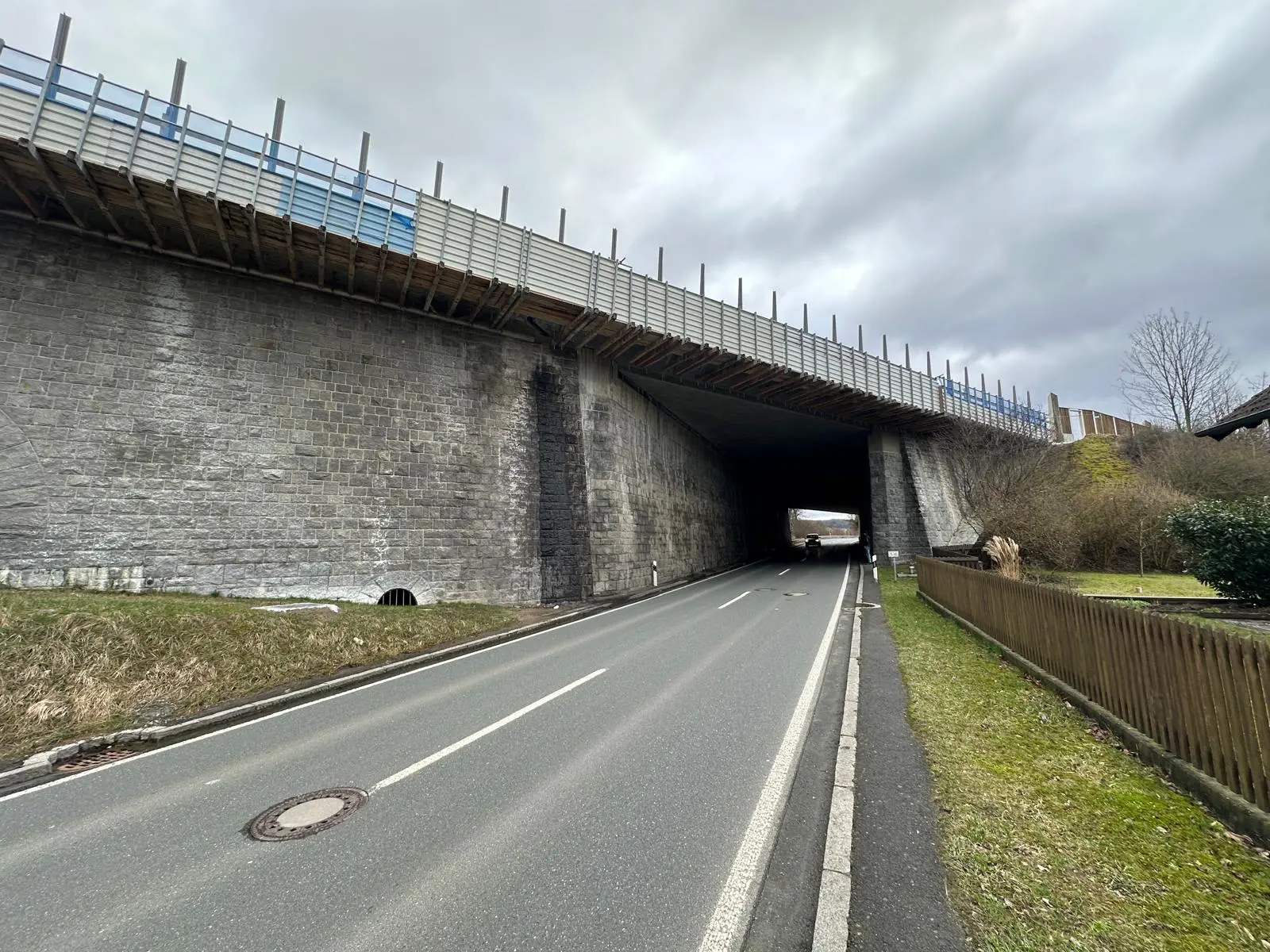
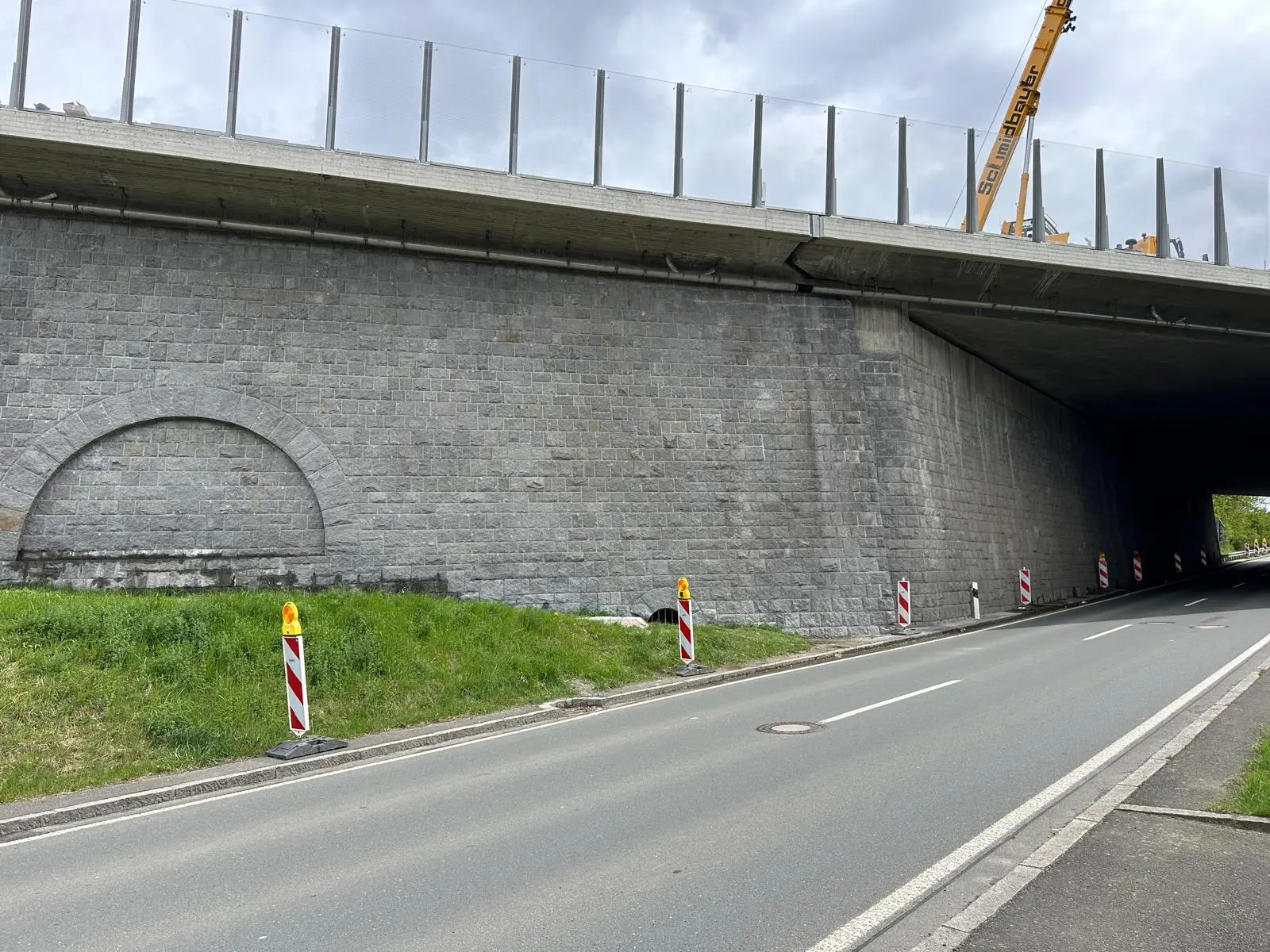
Tar Removal on the A9, Bayreuth
At a traffic structure on the A9 near Bayreuth, we removed tar and bitumen contamination gently on the substrate. The black background is tar; the white lettering is paint.
An example of how even stubborn contamination on infrastructure structures can be removed without damaging the substrate.
- Gentle on the Substrate
- Low-chemical Possible
- Heritage-appropriate
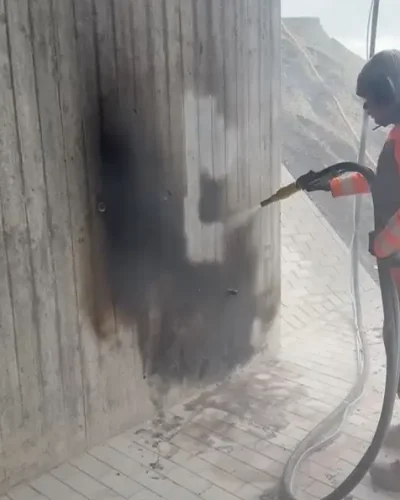
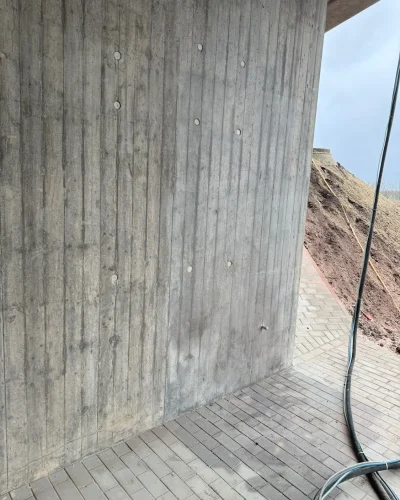
Fire Stain Removal—Remove Soot, Preserve Substrate.
After a fire, soot and smoke deposits leave stubborn, deep-seated discoloration. The challenge: to completely remove the soot without damaging the underlying surface.
This is precisely why we use the JOS process with a micro-fine blast. The fine blast gently removes the soot layer and restores the surface—without destroying it. This preserves the building fabric while the fire traces disappear.
- Micro-fine blast—targeted and gentle on the substrate
- Thoroughly removes soot and smoke deposits
- Preserves the surface instead of destroying it
Sensibly Complemented
After Cleaning.
A cleaned surface can be protected directly—so the result lasts longer.
Protection
Preventive coating that makes future contamination and graffiti more difficult and protects the substrate.
Protection
Protection against penetrating water—permanently prevents frost, salt, and algae damage.
Cleaning
Value-preserving cleaning of entire facades—tailored to substrate and degree of contamination.
Frequently Asked Questions and Answers on Specialized Cleaning
What Falls Under Specialized Cleaning?
We treat stubborn and demanding contamination that cannot be removed with standard cleaning: fire damage and soot, tar and bitumen stains, cement haze, rust stains, as well as growth and algae. After analyzing the property, we select the appropriate process.
Which Processes Do You Use?
Primarily hot steam technology and the JOS blasting process—individually or in combination, depending on contamination and substrate. Hot steam technology works with temperature and pressure; the JOS process uses a fine vortex blast of abrasive media and water at low pressure.
Is the Cleaning Gentle on the Substrate?
Yes. The JOS blasting process in particular works with low pressure and is also suitable for sensitive and heritage-protected surfaces. Which process is used and how is determined after substrate analysis to best preserve the fabric.
Can the Surface Be Protected After Cleaning?
Yes, we actually recommend it. A cleaned surface can be treated directly with an appropriate protection system—such as anti-graffiti protection or hydrophobization—so the result lasts longer.
Stubborn Contamination on Property?
Describe the contamination and substrate to us—we will analyze and recommend the appropriate process within 24–48 hours.

