- Services
- Graffiti Removal
Substrate-Preserving and Value-Preserving Graffiti Removal
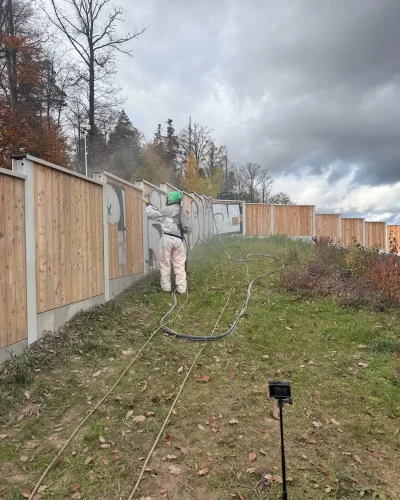
After analyzing the substrate, we select the appropriate method for removing graffiti. Depending on the surface, we use thermal, mechanical, or chemical processes in a targeted and material-preserving manner.
- Method Selection Based on Substrate Analysis
- Combined Processes Without Visible Transitions
- Materials Based on Natural Ingredients
What It’s About
A clean facade is more than aesthetics.
Measures for removing and preventing graffiti are substrate-preserving and value-preserving. Professional removal prevents paint from penetrating deep into the substrate and causing permanent damage.
After analyzing the substrate, we can offer you a suitable method—tailored to the material, degree of contamination, and accessibility. On request, we combine removal directly with a preventive coating.
Typical Challenges
When our removal service is needed.
Deeply Penetrated Paint
Without a protective coating, paint penetrates porous substrates. The right process is needed here to avoid damage.
Sensitive Substrates
Natural stone, exposed concrete, or heritage-protected surfaces require particularly substrate-preserving procedures.
Constant Contamination
For frequently affected surfaces, we recommend combining removal with preventive protection.
Our Processes
The right method for every substrate.
We often combine several processes so that the cleaned surface is visually indistinguishable from undamaged areas.
Hot Steam
Gentle thermal cleaning—effective on many substrates, without aggressive chemicals.
JOS Process
Low-pressure vortex blasting process for particularly material-preserving cleaning of sensitive surfaces.
Chemical Removers
Low-pressure vortex blasting process for particularly material-preserving cleaning of sensitive surfaces.
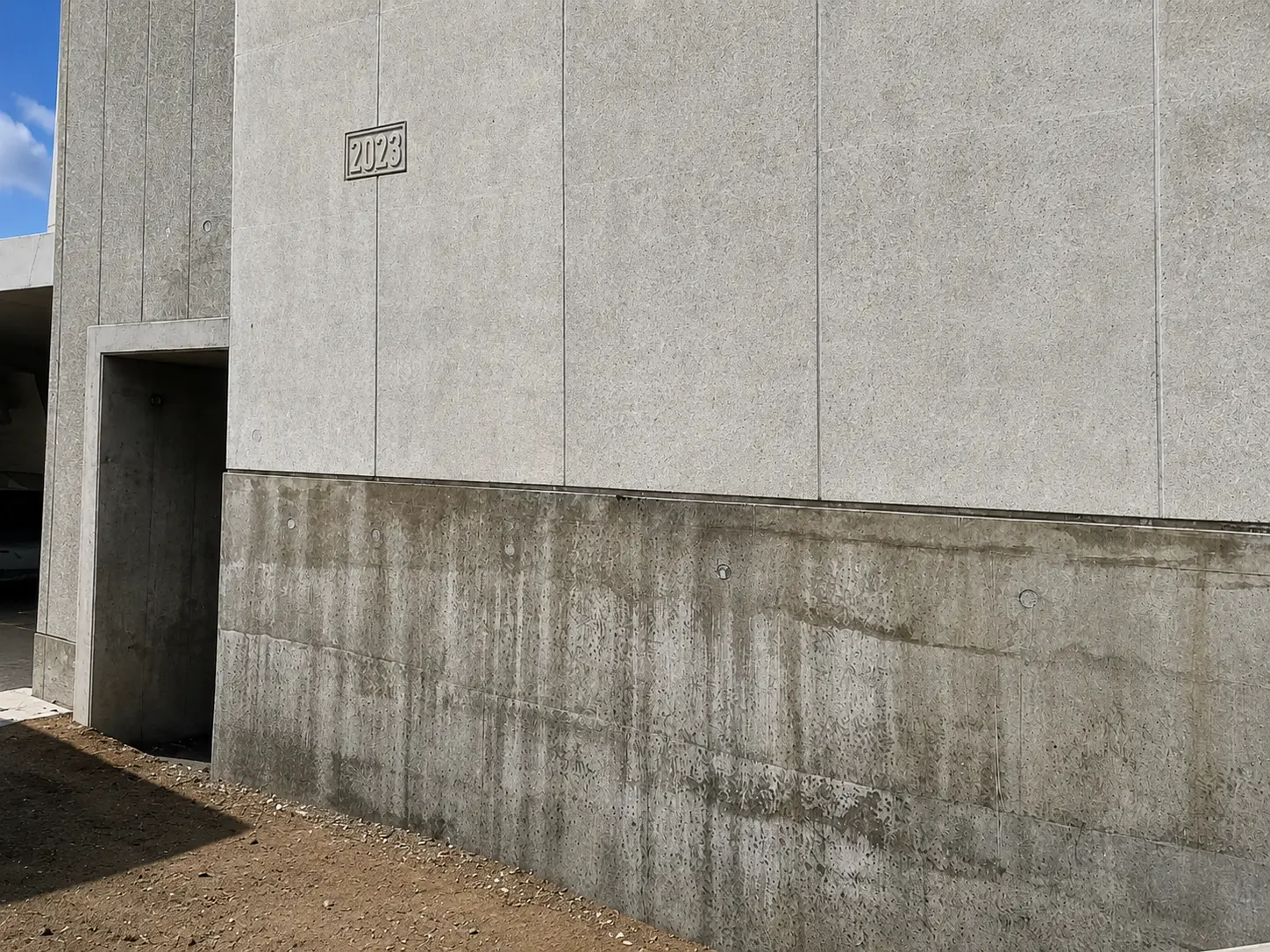
Removal & Protection from a Single Source.
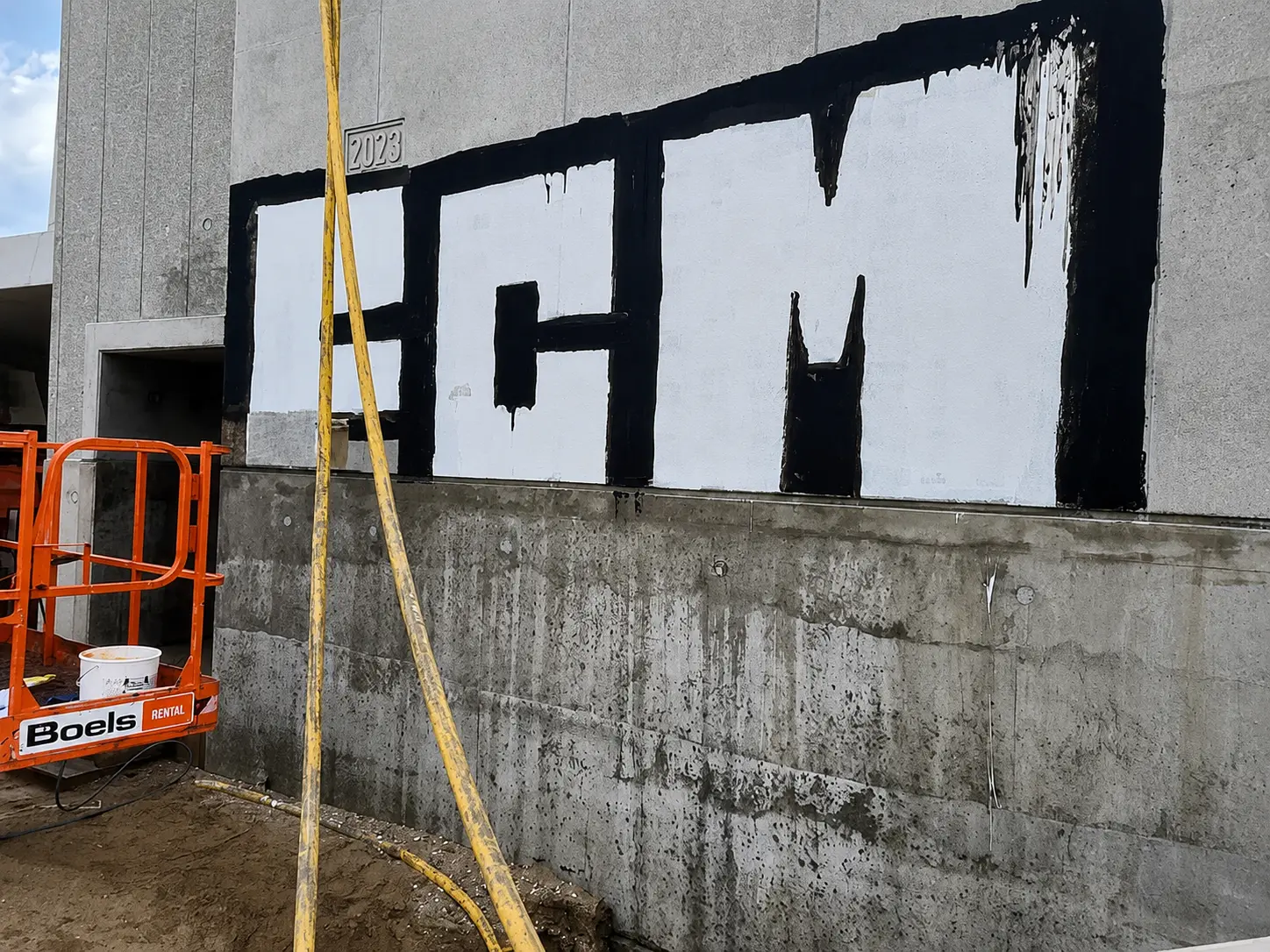
Cleaning without subsequent protection means greater effort with the next contamination. With an anti-graffiti coating, future graffiti can be removed much more easily—in some cases with hot water only.
- Lower Cleaning Effort for Repeat Incidents
- Protection of Substrate from Penetrating Paint
- Available in Maintenance Contract with Renewal on Request
|
Substrate-preserving · value-preserving · environmentally conscious since 1998
Suitable Systems
Products for prevention.
These systems facilitate future cleaning—or make it possible entirely without chemicals.
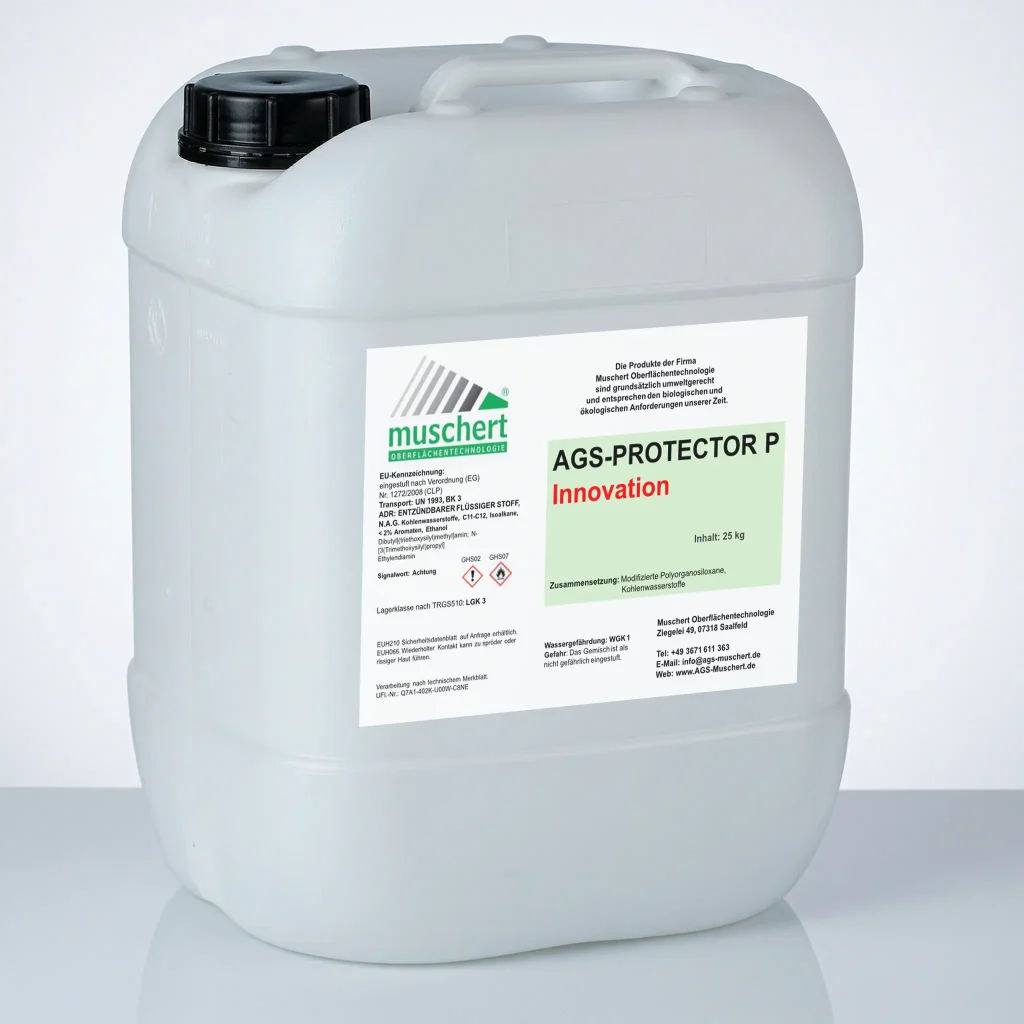
Based on protective wax—removal with hot water only, especially for flood protection
Highest cleaning requirements for areas particularly at risk of vandalism
Frequently Asked Questions and Answers on Graffiti Removal
Is graffiti cleaning possible without a coating?
Yes, but with greater time, labor, and cost. Without a protective coating, paint penetrates deeply and can damage the substrate. We often use combined processes—hot steam, JOS process, and chemical graffiti removers—so that the cleaned surface is visually indistinguishable from undamaged areas.
How environmentally friendly are the materials used?
The materials used are predominantly based on natural ingredients and are environmentally friendly. On surfaces coated with AGS Protector S, removal is even possible without chemicals, using hot water only.
When can a coated surface be cleaned again?
Curing and waiting times vary depending on the protection system. The specifications in the respective technical data sheet are authoritative. Full cleaning should only be carried out after 1–3 days. During this time, the system chemically bonds with the substrate, enabling repeated cleaning without material damage.
Have Contaminated Surface Assessed?
Send us photos and a few key details about the object—we will analyze and recommend the appropriate process within 24–48 hours.

